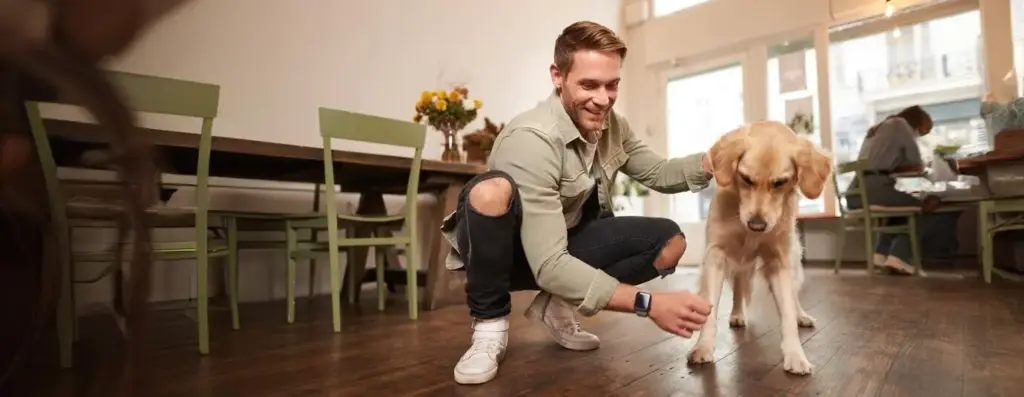
Small-Space Joy: Clever Ways to Enrich Your Dog Indoors
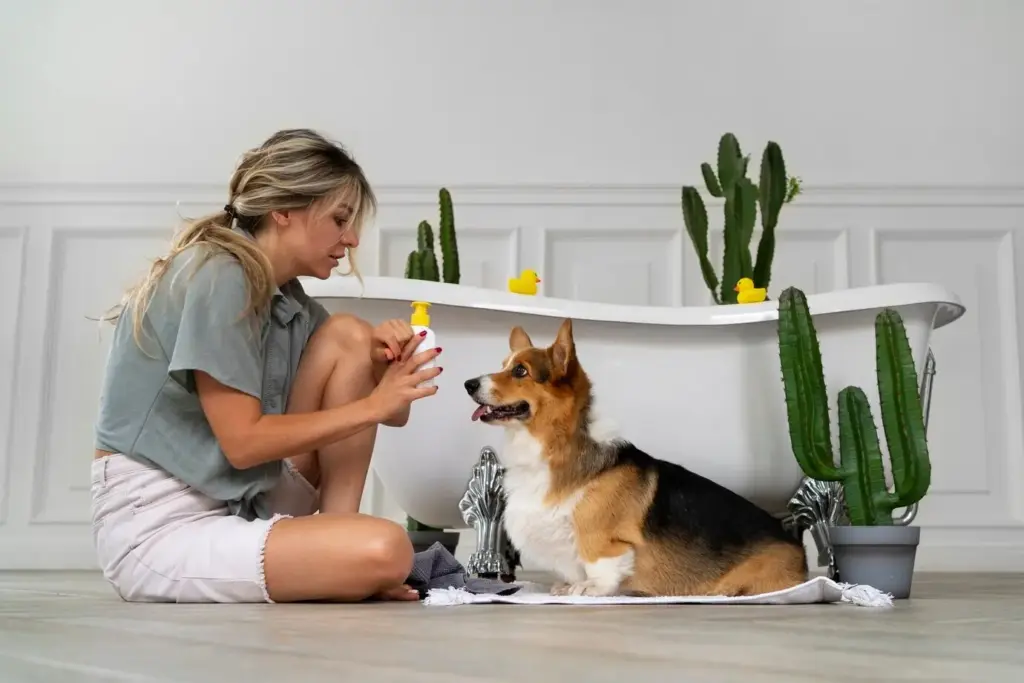
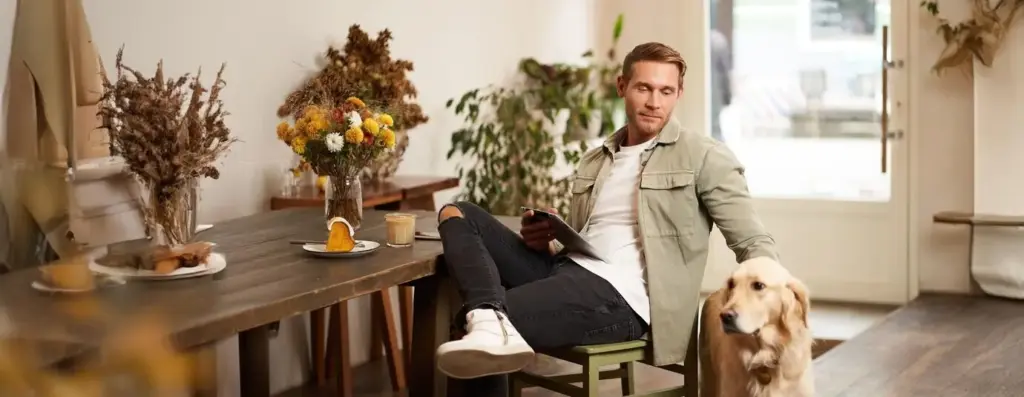
Reading Your Dog’s Needs in Close Quarters
DIY Puzzle Stations From Everyday Items
Muffin-tin treasure hunt
Drop portions of kibble into a muffin tin, cover several wells with tennis balls, and let your dog nudge, lift, and sniff. Start easy with fewer covers, then increase complexity by mixing treats with empty cups. To save space, nest tins inside each other, bundle balls in a drawstring bag, and tuck everything into a cabinet. Clean quickly with warm water, and watch problem-solving confidence rise without elaborate gear.
Towel burrito and scatter mat
Lay a towel flat, sprinkle dry food, then roll into a gentle burrito and fold the ends. Your dog unrolls, sniffs, and forages calmly, promoting focus and slower eating. For variety, accordion-fold the towel to build layered pockets. Use a second towel as a soft scatter mat to contain crumbs. Choose fabrics that wash easily and dry quickly. This quiet, washable setup stores in seconds and travels effortlessly.
Bottle spinner on a tension rod
Thread empty, cleaned plastic bottles through a dowel or string and suspend them across a tension rod set in a doorway. Cut safe openings so kibble tumbles as bottles spin. Always remove caps and rings, supervise firmly, and retire chewed pieces. Collapse the rod between sessions and store bottles in a shoe organizer. The adjustable height accommodates different sizes while keeping the footprint minimal and neighbors undisturbed.
Micro-Workouts That Burn Energy Without Bothering Neighbors
Silent strength circuits
Create a quiet circuit: slow sit-to-stand reps, front-paw targets on a stable book, and brief chin-rest holds for stillness. These moves tire core and mind without pounding floors. Reward each rep with tiny treats or calm praise. Keep surfaces non-slip and heights low for safety. Rotate two or three exercises per day, mapping progress by smoother form rather than speed. Over time, your dog learns control and confidence.
Stair-free agility lanes
Use painter’s tape to lay gentle zigzag paths across a rug, then guide your dog with a hand target. Add low cavaletti by placing broom handles atop sturdy books, ensuring nothing rolls. Slow steps build joint awareness and precision. Keep repetitions short and surfaces secure. Pack everything away in a closet afterward. This portable lane promotes coordination, patience, and focus, especially helpful on rainy days or during building quiet hours.
Tug and drop with impulse control
Choose a soft fleece tug and teach a clear start and release. Begin with quick, low pulls, then pause, cue a sit or down, and resume when calm. This pattern builds self-control, strengthens your bond, and protects neighbors’ nerves. End before arousal spikes, trading the toy for a treat. Store the tug out of sight to maintain excitement for next time. Minimal noise, maximum engagement, beautifully suited to apartments.
Scent Games That Fit Inside a Studio
Box line-up search
Arrange a row of boxes with one holding a treat under a breathable layer. Encourage a methodical sniff from one end to the other, marking when your dog investigates the right box. Start with lids ajar, then close gradually. Vary placement each round, sometimes using an empty box to practice persistence. Keep sessions short and end on success. Fold boxes flat afterward to reclaim precious floor space immediately.
Snuffle mat alternatives
Arrange a row of boxes with one holding a treat under a breathable layer. Encourage a methodical sniff from one end to the other, marking when your dog investigates the right box. Start with lids ajar, then close gradually. Vary placement each round, sometimes using an empty box to practice persistence. Keep sessions short and end on success. Fold boxes flat afterward to reclaim precious floor space immediately.
Hide-and-seek with family members
Arrange a row of boxes with one holding a treat under a breathable layer. Encourage a methodical sniff from one end to the other, marking when your dog investigates the right box. Start with lids ajar, then close gradually. Vary placement each round, sometimes using an empty box to practice persistence. Keep sessions short and end on success. Fold boxes flat afterward to reclaim precious floor space immediately.
Design a portable relaxation nook
Lick-time resets
Make Enrichment a Habit: Scheduling, Tracking, and Progress